


Page 4 - Moravian Messenger Nov 2020
P. 4
From a Lion to a Tiger Moth
© Sr Lindsey Newens
The story of Christian the Lion who was exercised in Fetter Lane Burial Ground in Chelsea in the late 1960s is a wonderful and well known story of how a Moravian burial ground was used for a purpose it was never laid out for. Christian was a lion cub who was bought from Harrods in 1969, and who lived in a Chelsea flat with his two owners. As he needed a huge amount of exercise, the minister for Fetter Lane, allowed Christian to run freely in the enclosed burial ground. Without this agreement it would have been impossible to give Christian any exercise at all. Of course, and rightly so, the days of captive lions being sold in department stores are long gone. We have a much greater understanding of the needs of these large mammals; we understand more about the importance of natural habitats and environment and ecology education now starts at primary school, if not at home before.
We have, in recent years, been made very aware of the global environmental problems that we face, and the importance the wellbeing of the smallest of creatures have on our very existence. Bees and the pollination they provide are crucial to the production of the food we eat, and there is a great deal of research and work dedicated to restoring their populations. Insects are vital to the health of all of us, and the more we cultivate, use insecticides and pesticides, the more we damage this delicate balance.
There are over 14,000 burial grounds in the UK, mostly with short cut grass, but some are left wild. We are used to thinking that left wild meant uncared for, overgrown, poorly managed. But it is quite the opposite. Mown lawns and more increasingly, artificial 'low maintenance' plastic lawns are a desert for wildlife. With a 220% increase in sales of artificial turf year on year we are coating our world in a green plastic covering, to make our lives easier.
Many Moravian burial grounds are now, sadly, detached as their churches have closed. The burial ground in Bath was sold; we still own the burial ground at Pertenhall in Bedfordshire which is looked after by the new owners of the church building; Malmesbury is leased to the owners of the house. The council took over the upkeep of Haverfordwest, and in Bristol, Bristol Royal Infirmary moved the graves to a cemetery and built a car park on the site. The upkeep of Dublin burial ground is still managed by the British Province.
Woodford Halse Moravian Church was sold in 2016, leaving the burial ground to be cared for by the province. Without an active congregation and with only a few visitors it became overlooked. Last year, Marianne and Nicholas who live in the old manse approached Church House with a proposal to maintain the burial ground as a wildflower meadow with the aim of increasing biodiversity by re-introducing native plants and encouraging wildlife and insects to thrive in a natural environment. This would be done whilst respecting the original burial ground traditions and allowing the visitors to the graves to spend time in the surroundings they expected.
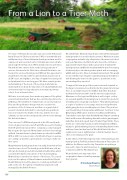
To support this new project there was some work required on the huge Corsican pine trees that border the ground, and a new fence is currently being erected. Other than that, they have worked tirelessly to breathe new life into this neglected site. Marianne is a Zoologist and Nicholas is an Ecologist, so they are very well qualified in knowing how to return this ground to a healthy and ecologically sound place. They will be putting in a couple of beehives to encourage much needed pollination whilst giving the bees a healthy place to thrive. This year has seen the planting of many native wildflowers: Common Sorrel, Oxeye Daisy, Wild Carrot, Common Toadflax and Meadow Cranesbill to name but a few. Already Mother Nature is working hard, and the area is flourishing, alive with crickets, grasshoppers, butterflies, birds and a great deal of Scarlett Tiger Moths. These moths are commonly found in Southern England and Wales, but due to global warming, they are now travelling further north, and have found an ideal spot at Woodford Halse! Another regular visitor now is slightly larger: a female muntjac deer is often seen relaxing on the grass.
In this edition of the Messenger we learn of the planting in the burial ground at Fairfield, and the biodiversity at Fetter Lane. In addition, the Mission and Society Committee are putting a proposal to Synod to plant new trees in
conjunction with the Woodland Trust.
We would welcome any news other congregations have on how they manage their grounds.
Sr Lindsey Newens
Church House
136


